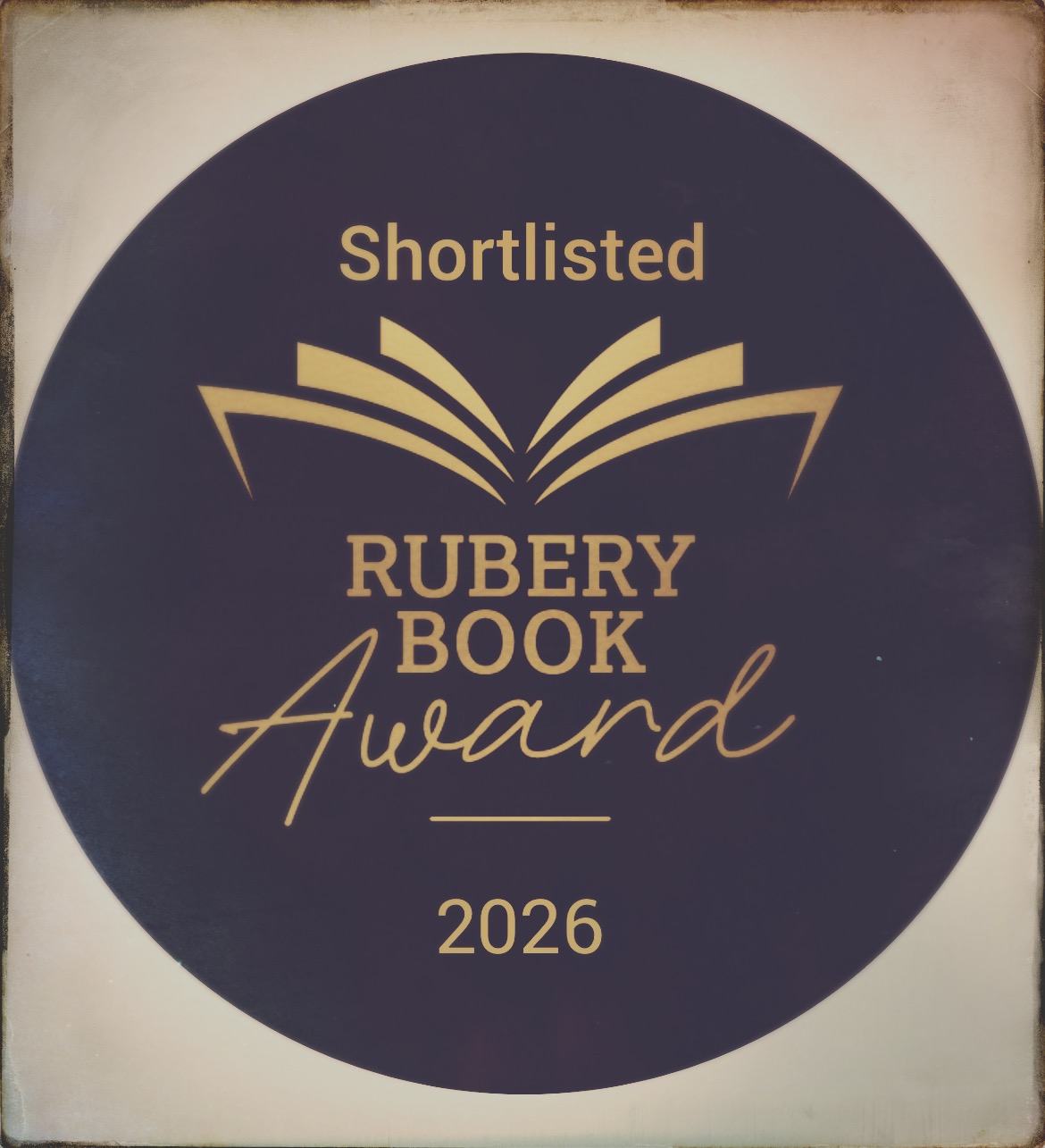
I am giddy to share that Sienna Fitch has been officially shortlisted for the 2026 International Rubery Book Award! Yaaay!
The International Rubery Book Award is one of the largest and most respected independent book prizes in the UK, celebrating bold voices and compelling storytelling from across the literary landscape. They have the very cool slogan of 'Discover. Celebrate. Elevate.' and the work that Heather and the team do to raise visibility and credibility for self-published and independent authors is tremendous, something I believed even before they praised my feisty girl*.
Recognition from such a prestigious prize is not just an incredible feeling but also comes with a lovely review from the judges, the last line of which genuinely made me lol.
International Rubery Book Award Review:
Sienna Fitch by Louise E. Hollamby, Self-Published
This is story of three generations all involved in some way with a smuggling mystery. Sienna is a teenage girl whose mother has recently died. She and her father have moved into the Cornish village where her mother grew up. To begin with, she is crippled by grief and unwilling to even go out or communicate with her father, but gradually she is won over by the rugged scenery and the various people she meets.
Everyone is struck by her resemblance to her mother and reveal things from her mother's youth that she didn't know. Wanting to know what led her mother to leave, Sienna starts to investigate further, with the help of a shadowy boy who appears and disappears at important moments.
As she attempts to get to the truth behind the mysteries and misunderstandings, she encounters unexpected opposition and resistance from people who were apparently friends once but now no longer speak to each other. Her gradual unravelling of the truth leads to changes and it is pleasing to see the author's generosity towards characters who were originally unsympathetic. Sienna has to demonstrate strength and bravery, especially in the thrilling climax when her life is threatened.
It's a good yarn, a proper 'Girls' Own' story, with lots of detective work, fighting, a friendly and supportive ghost boy called Peter, and an inexplicable amount of adults who don't call the police.
You can check out the official announcement and list of 2026 winners over on the International Rubery Book Award winners 2026 page.
Massive congratulations to all!
I'm off to put on a gown and open a bottle of something to celebrate. You should too…
* This is true. I just love them even more now.